What to Do First After a Storm Damages a Tree
Assess the Situation from a Safe Distance
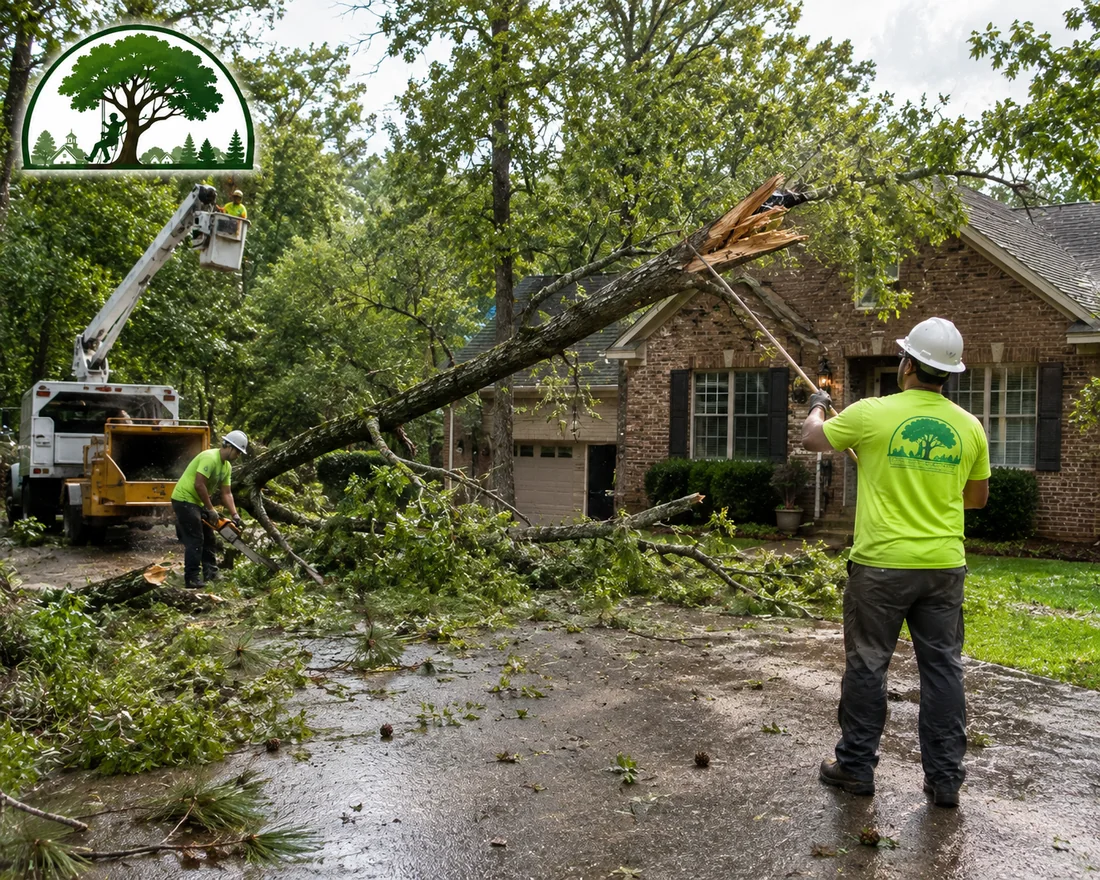
After a storm passes, the first thing to do is step outside - but not too close to any trees that look damaged. Start from a distance, ideally from your porch or a window, and look over the property. High winds can leave trees in a state that is hard to judge from right underneath. A split trunk, a hanging limb, or a tree that has shifted at the base are all signs that the structure has been compromised. Do not walk under any limb that is dangling or any tree that is leaning. The ground may be soft and slippery, and the tree could shift again without warning.
If you see a fallen tree or a large limb on the ground, note where it is and what it has hit. Roof impact is a common issue, and a blocked driveway can stop you from getting the car out. At this stage, you are just gathering information. You are not trying to fix anything yet. The goal is to understand what has happened so you can decide what needs attention first.
Check for Power Lines and Other Hazards
Before you do anything else, look for any power line hazard. If a tree or limb has brought down a power line, or if a line is touching a branch, treat it as live. Never go near it. Keep everyone, including pets, well away. Call the utility company right away and let them handle it. Do not try to move anything that is touching a line, even if you think the power is off. The same caution applies to gas lines - if you smell gas, leave the area and call the gas company from a safe spot.
Other hazards can be less obvious. A tree that has split but not yet fallen can be under tension. A hanging limb caught in another branch might drop without warning. Wind can also loosen objects like gutters, shingles, or garden furniture, so watch where you step. The priority is to make sure the area is safe to be in before you start any cleanup or assessment.
Document the Damage for Insurance and Records
Once you are sure there is no immediate danger, take photos and notes. Walk around the property and take wide shots of each damaged tree, then close-ups of the specific issues - a split trunk, a hanging limb, or a fallen tree. This is useful for insurance claims and for any contractor who will quote the work. Note the date and time the storm happened, and keep a list of what you see. If you have a phone or a camera, use it. Even if you think the damage is minor, having a record helps later.
Do not start moving or cutting anything yet. The photos should show the scene as it was right after the storm. Once you start clearing, you lose that evidence. Insurance adjusters often want to see the original state of the property. So hold off on any cleanup until you have a clear set of images and notes.
Prioritize Threats to Your Home and Safety
Not all tree damage is urgent. A limb that has fallen in the yard and is not blocking anything can wait. But a tree that is leaning over the house, has a split trunk near the roof, or is blocking a driveway or walkway needs faster attention. Make a list in order of risk. The most urgent is anything that threatens the structure of your home or could cause injury. Next is anything that blocks access - a blocked driveway can be a problem if you need to leave in a hurry. Last is purely cosmetic damage, like a broken branch in a tree that is otherwise sound.
If you have a large limb that is hanging over the house or a tree that has shifted and is pressing on the roof, do not try to remove it yourself. The weight and tension involved can be dangerous. That kind of work is best left to a professional who has the right equipment and training. The same goes for any tree that is near power lines or that is too large to handle with basic tools.
Call a Professional for Immediate Threats
When you have identified the urgent issues, it is time to call for help. For a situation that involves a tree threatening your home, a large hanging limb, or a tree that has fallen and is blocking a critical area, you want a service that can respond quickly. Many tree care companies offer emergency response for exactly this kind of situation. They can come out, assess the tree, and do the work needed to stabilize the site. This is not something to put off - a tree that is leaning or split can worsen with more wind or rain.
For homeowners in the Dallas area, a local option like Tree Service Dallas GA can handle these storm-related issues. They provide emergency storm response, which means they are set up to deal with the unpredictable damage that storms leave behind. When you call, have your photos and notes ready so you can describe what happened. This helps the crew bring the right gear and know what to expect when they arrive.
Secure the Area Until Help Arrives
While you wait for a professional to come, you can take simple steps to make the area safer. If a tree or limb has fallen and is blocking a walkway or driveway, put up some caution tape or a temporary barrier so everyone knows to go around. If there are small children or pets, keep them away from the damaged tree. Do not go under any hanging limbs or near any part of the tree that is under tension. Even if the tree looks stable, the storm may have weakened the roots or twisted the trunk in ways you cannot see.
If the damage is minor - a broken branch that is small enough to handle safely - you can clear it away from paths. But for anything larger than what you can lift with one hand, it is better to wait. A limb that seems small can be heavy, especially if it is caught in other branches. And if you start cutting, you may shift the weight and cause more damage.
Start the Cleanup After the Tree Is Stabilized
Once a professional has removed the immediate threats and stabilized the site, you can begin the general cleanup. This means picking up smaller debris, raking up leaves and twigs, and clearing the yard of anything that the storm scattered. But even then, take it slowly. Check the ground for hidden hazards like nails from a roof or sharp edges from broken branches. Wear sturdy shoes and gloves, and watch where you step.
If the tree that was damaged is still standing but has been pruned back, you may want to have it assessed later for long-term health. A tree that has lost a large limb or has a split trunk may not recover well. A good tree service can tell you if the tree can be saved or if it should be removed. That is not a decision you need to make right away, but it is worth noting for later.
Know When to Call for Help Again
Some storm damage is not obvious at first. A tree that looks fine right after the wind may develop cracks or lean over the following weeks. Keep an eye on trees that were stressed by the storm. Look for fresh cracks in the bark, sawdust at the base (a sign of insects or rot), or leaves that wilt suddenly. If any of these appear, call a professional to check it. It is better to address a problem early than to wait until the tree becomes a hazard.
If you have a lot of trees on your property, consider having a professional do a full inspection after the storm season. They can spot issues you might miss, like root damage or hidden splits in the trunk. This is especially important if you had a tree that was already leaning or had previous damage. A tree that was weakened by one storm can be more vulnerable in the next one.
Dealing with storm-damaged trees can feel overwhelming, especially when there is a lot to do. But taking it step by step - first assessing from a distance, then checking for hazards, then calling for help - keeps you safe and makes the process manageable. For urgent work that cannot wait, a local emergency tree service like Tree Service Dallas GA can handle the heavy lifting and get your property back to a safe state. Once the immediate danger is gone, you can take your time with the rest of the cleanup and decide what to do about the damaged trees long term.
Ends · BRANCHANDBRICK